History
How We Got Here
A Little Trip Down Transport Lane
Pre 1970s
Back in the late 1800s and early 1900s, each town - Sheffield, Doncaster, Rotherham and Barnsley - ran its own services. Trams were the main way people got around, especially in Sheffield and Rotherham. They linked busy industrial areas with town centres, factories and stations, helping people get to work and get on with daily life.
By the middle of the 1900s, things were shifting. Trams slowly made way for buses and trolleybuses as travel habits changed and new technology came in.
Through the 1950s and 60s, most councils ran their own local bus companies. Private operators and the National Bus Company were in the mix too. But even then, services were planned town by town - not across the whole region.
As more people bought cars and started travelling further, it became clear the system needed to work better together.
So in 1974, South Yorkshire took a new approach. Everything came together under one organisation: the South Yorkshire Passenger Transport Executive.
70s
1970
Minitram: Sheffield’s Cancelled Monorail Plans
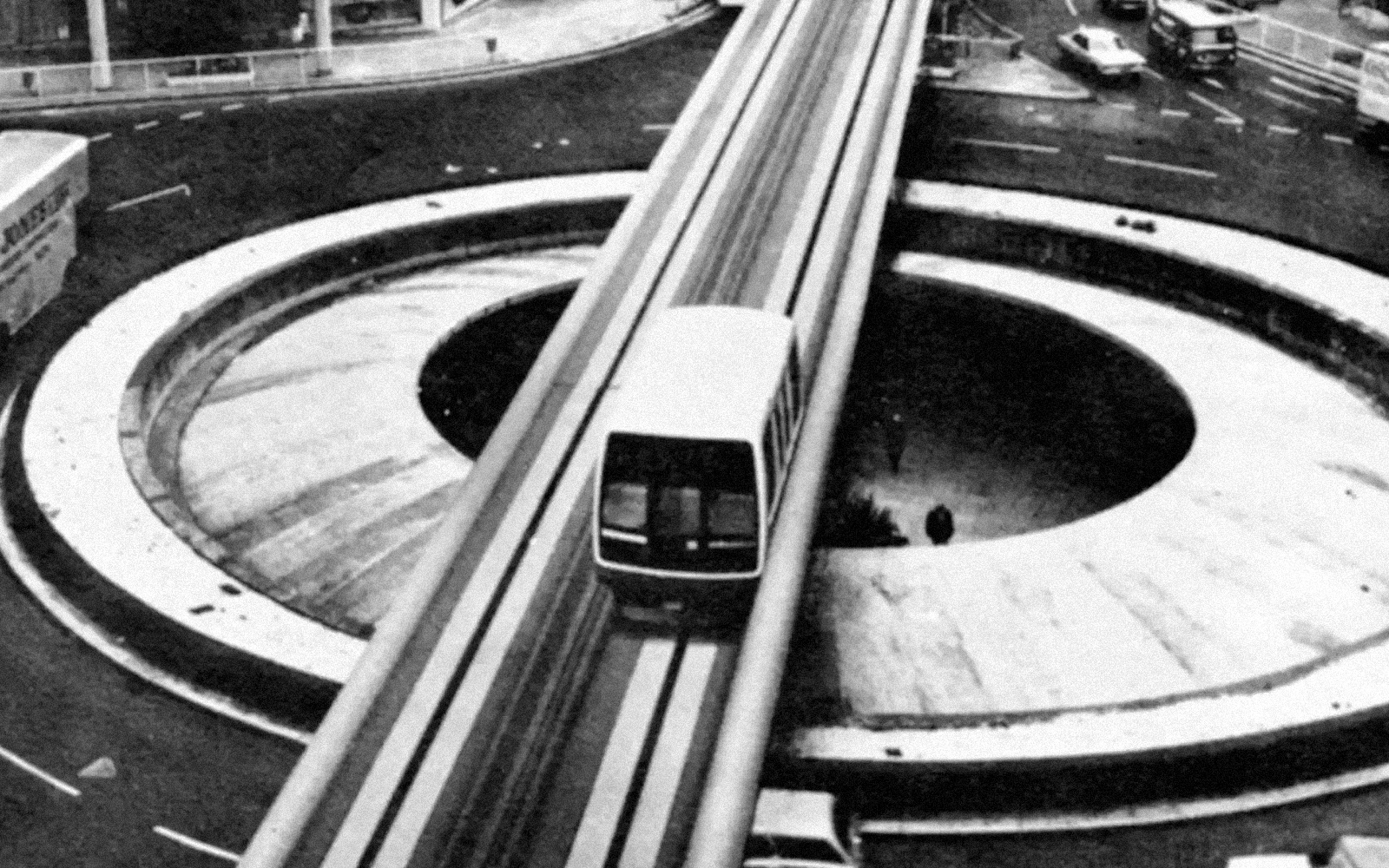
In the 1970s, Sheffield planned a futuristic monorail called the Minitram: a small, driverless shuttle to zip people around the city centre—from Midland Station to Fargate, Haymarket, and Barkers Pool—on a 2.5 km elevated track with nine stops.
The scheme drew attention when displayed at Cole Brothers in 1974, showing the monorail gliding above streets and the Hole in the Road.
But costs soared, funding was debated, and some locals weren’t keen. By 22 May 1975, the Minister for Transport cancelled it, calling it too expensive and undeveloped.
Sheffield was left with a “what might have been” until 1994, when the South Yorkshire Supertram finally arrived.
1974
SYPTE
In 1974, the South Yorkshire Passenger Transport Executive (SYPTE) was created to bring local transport under one roof. It was set up under the Local Government Act 1972 and brought most of the old municipal bus companies together. From then until 1986, SYPTE ran most of the buses across South Yorkshire.
Through SYPTE, councils built a wide network of subsidised bus routes so people across the region could get around easily and affordably. And many people still remember one of the standout policies: the 2p child bus fare.
.jpg&w=1536&q=100)
“The best thing about SYPTE was that we were always trying to promote public transport. Bus routes, tram offers, tickets and passes, journey planning – there was a lot of good work, and it was really varied.”
80s
1983–1993
Expanding the Rail Network
Between 1983 and 1993, eleven new rail stations opened across South Yorkshire as part of SYPTE’s work to improve connections across the region.
Many of these stations returned after closures during the Beeching cuts of the 1960s. Others were completely new. Stations at Goldthorpe and Thurnscoe were built from scratch to serve local communities.
In 1987, Rotherham Central railway station reopened, replacing Rotherham Masborough railway station which had been further from the town centre.
Then in 1990, Meadowhall Interchange opened. It was built to serve the new Meadowhall Shopping Centre and quickly became one of the region’s key transport hubs, linking rail, tram and bus services.
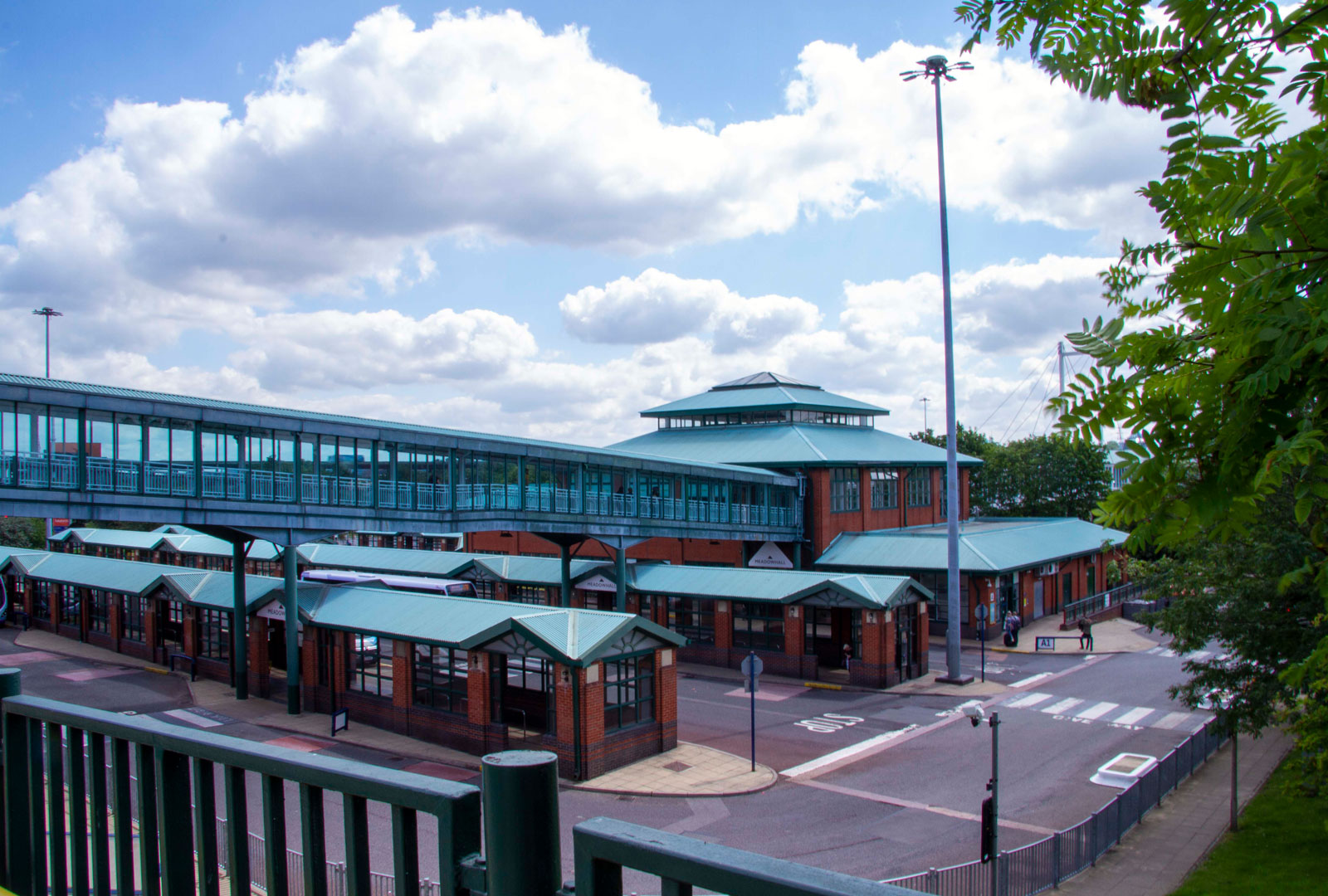
“In the 90s the privatisation came along on the railway and I was involved in monitoring the rail stations and trains to improve the quality of transport for the South Yorkshire public. I found it most enjoyable.”
1985
Transport Act 1985
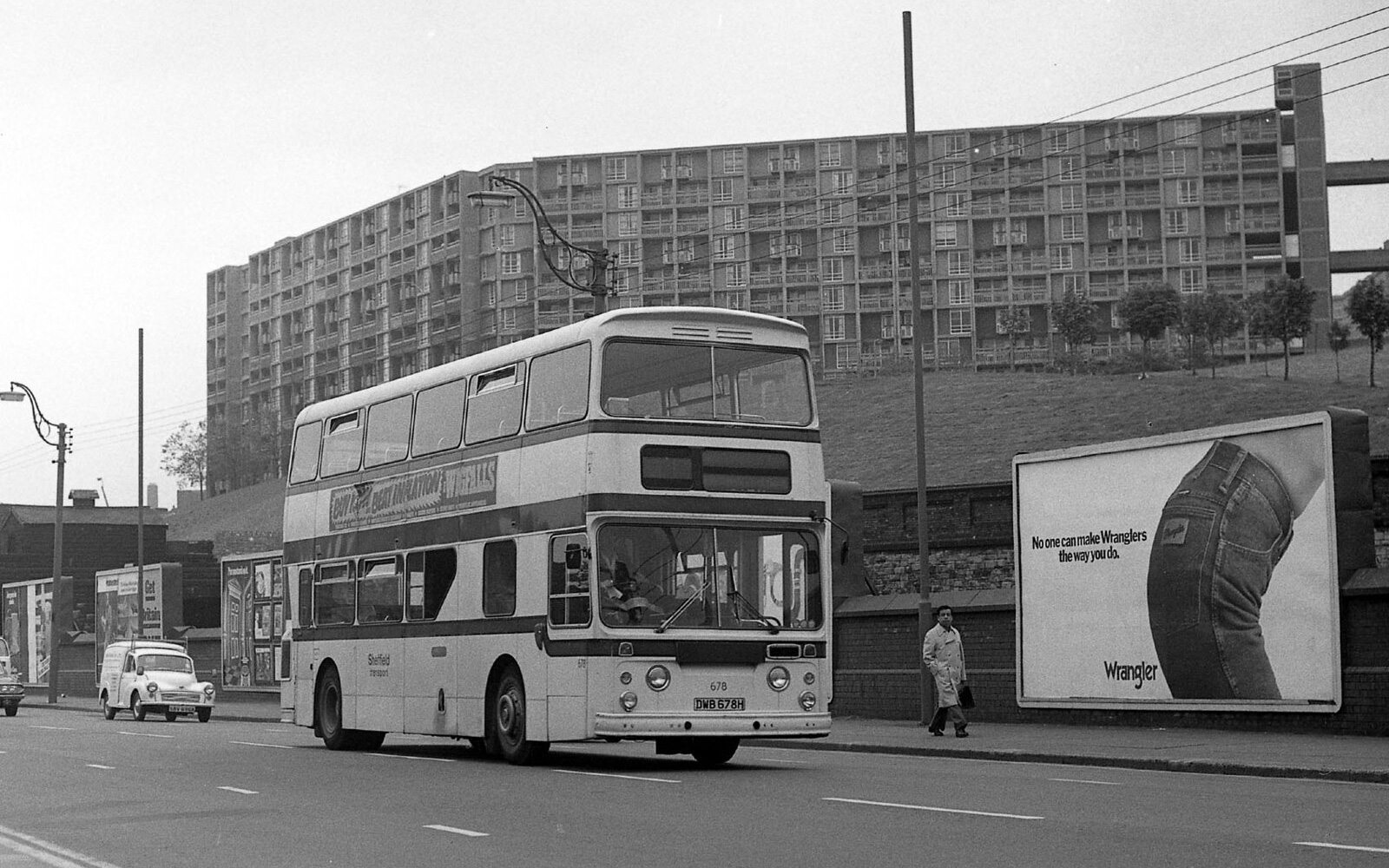
Often called the 'Bus Services Act', the Transport Act 1985 reshaped UK local buses. It scrapped road service licences, letting operators set their own routes, timetables, and fares, and led to the privatisation of most council-run companies and the break-up of the National Bus Company.
The aim was to boost competition and cut public spending. Operators could run services commercially, while local authorities funded non‑viable routes through competitive tendering. The Act also introduced community transport permits (Sections 19 and 22) for not‑for‑profit services.
Introduced by the government at the time, the reforms changed the industry—but despite aiming for efficiency, bus use and mileage fell in the years that followed.
1987
Traveline Launches
Soon after deregulation, SYPTE launched Traveline to help passengers plan their journeys.
At first, people could get travel advice by phone or by visiting customer service desks. Today, Traveline also operates online and through social media. The service also manages travel passes and concessionary travel applications.
In 2000, SYPTE joined the wider national Traveline partnership, helping connect South Yorkshire with a single source of public transport information across the UK.
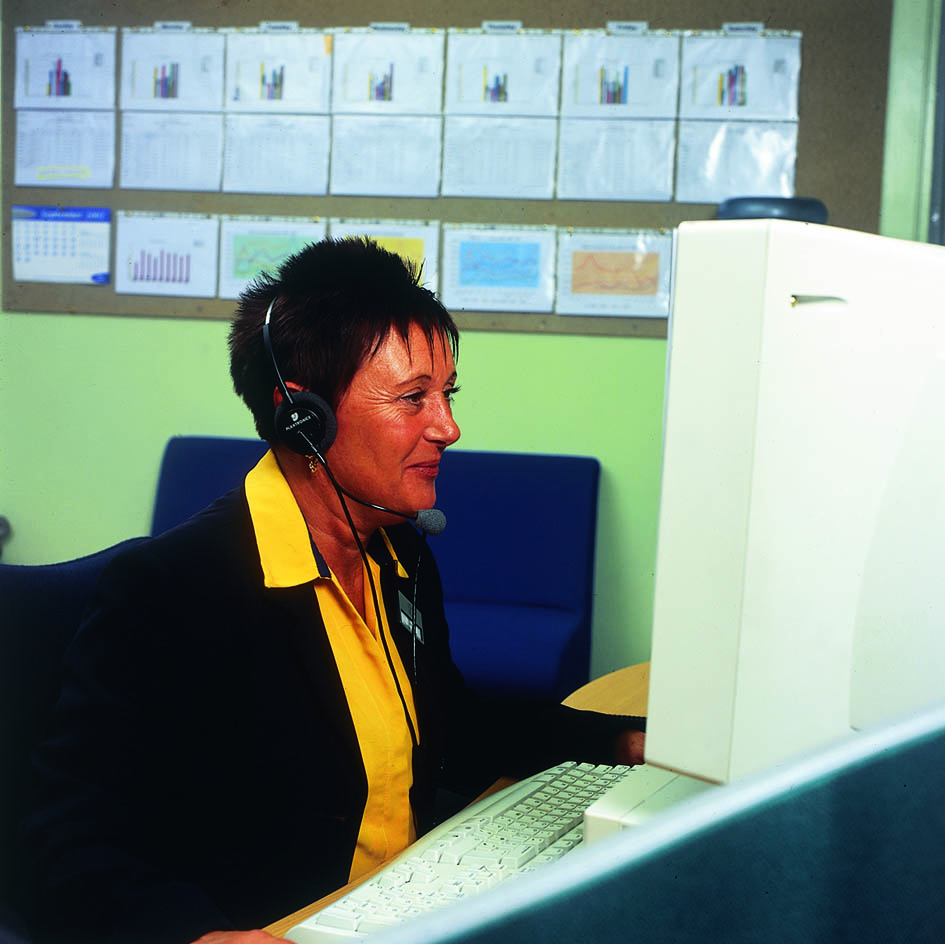
“When I joined Traveline, the internet was in its infancy and there were barely any mobile phones. Our journey planner was very basic. Nowadays, technology allows us to track buses in real time, and customers can access information easily through their smartphones.”
90s
Early 1990s
Sheffield Interchange Transformation
Originally opened in 1936 as Pond Street Bus Station, the facility was rebuilt in the early 1990s and renamed Sheffield Interchange.
In the early 2000s, a large part of the site was demolished due to low usage. That space has since been redeveloped and now houses Sheffield’s Digital Campus.
.jpg&w=1536&q=100)
“I was around when all the new main Interchanges and Mini Interchanges were being built… They were a complete refreshment from the old bus stations.”
1991
Building the Supertram
Interest in building a modern tram system for Sheffield grew during the 1980s.
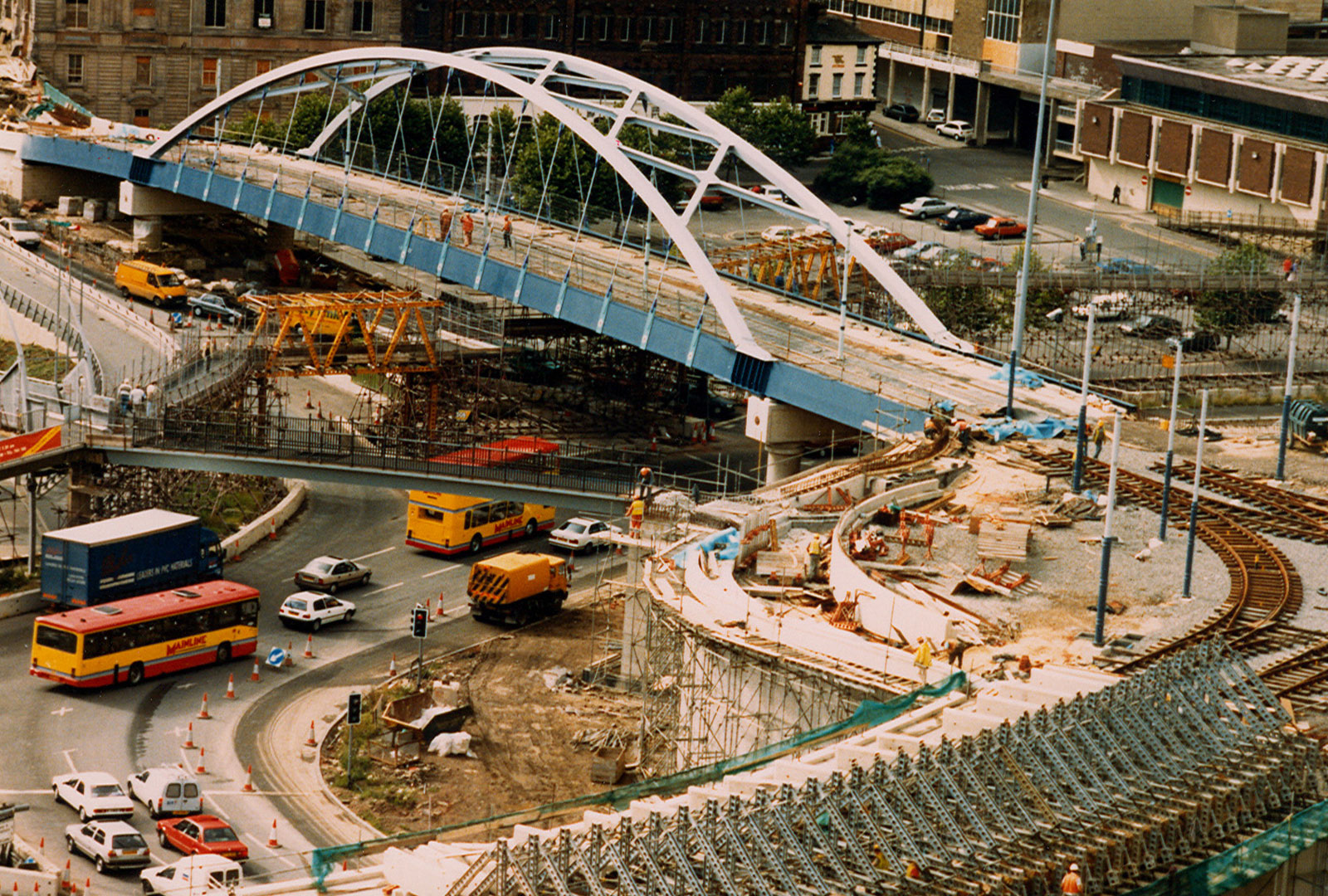
After careful planning by SYPTE, the Supertram proposal got the green light from Parliament in 1991. Construction then began, mixing brand-new tram lines with parts of the existing rail network.
1994
Supertram Begins Operations
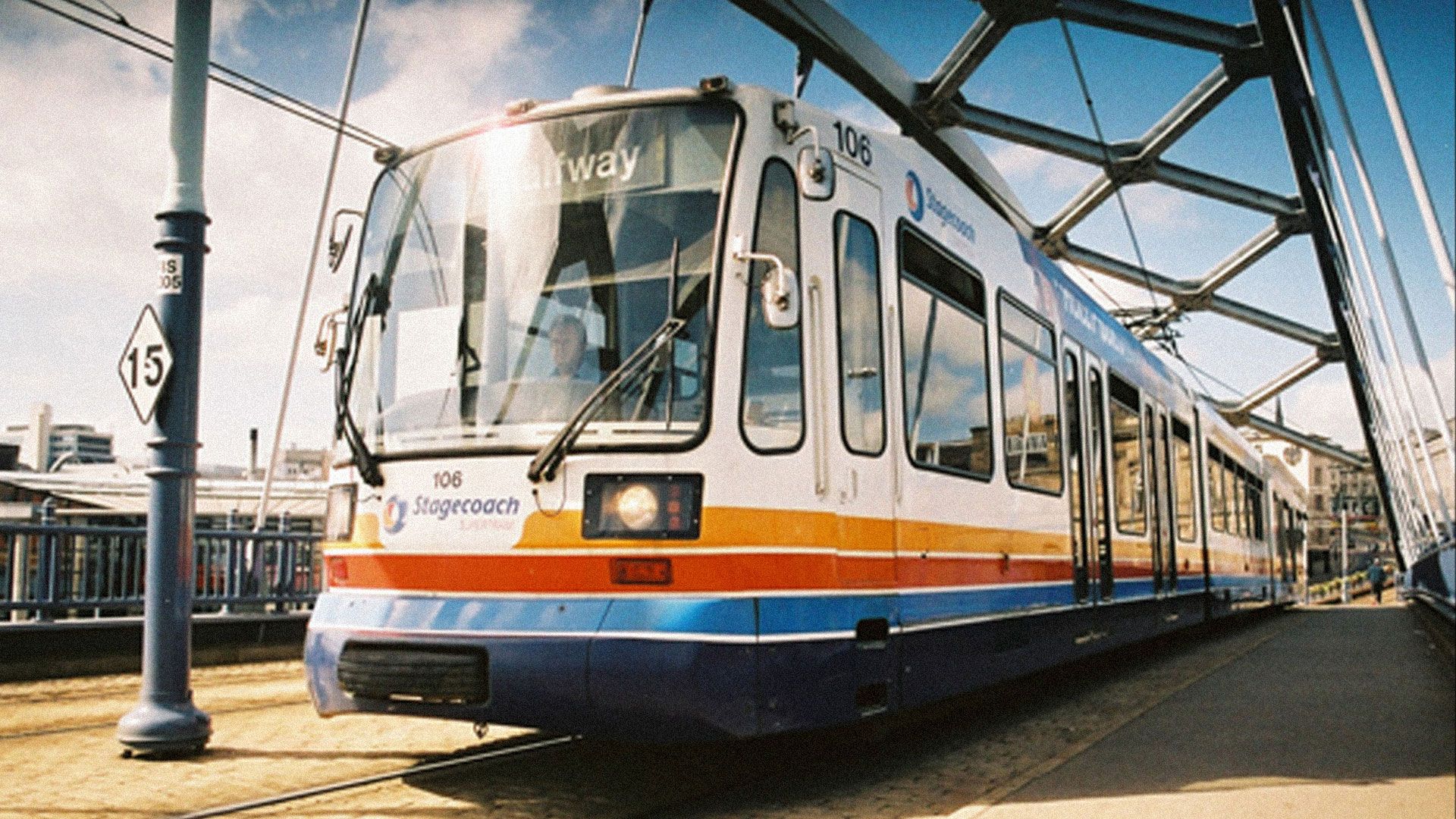
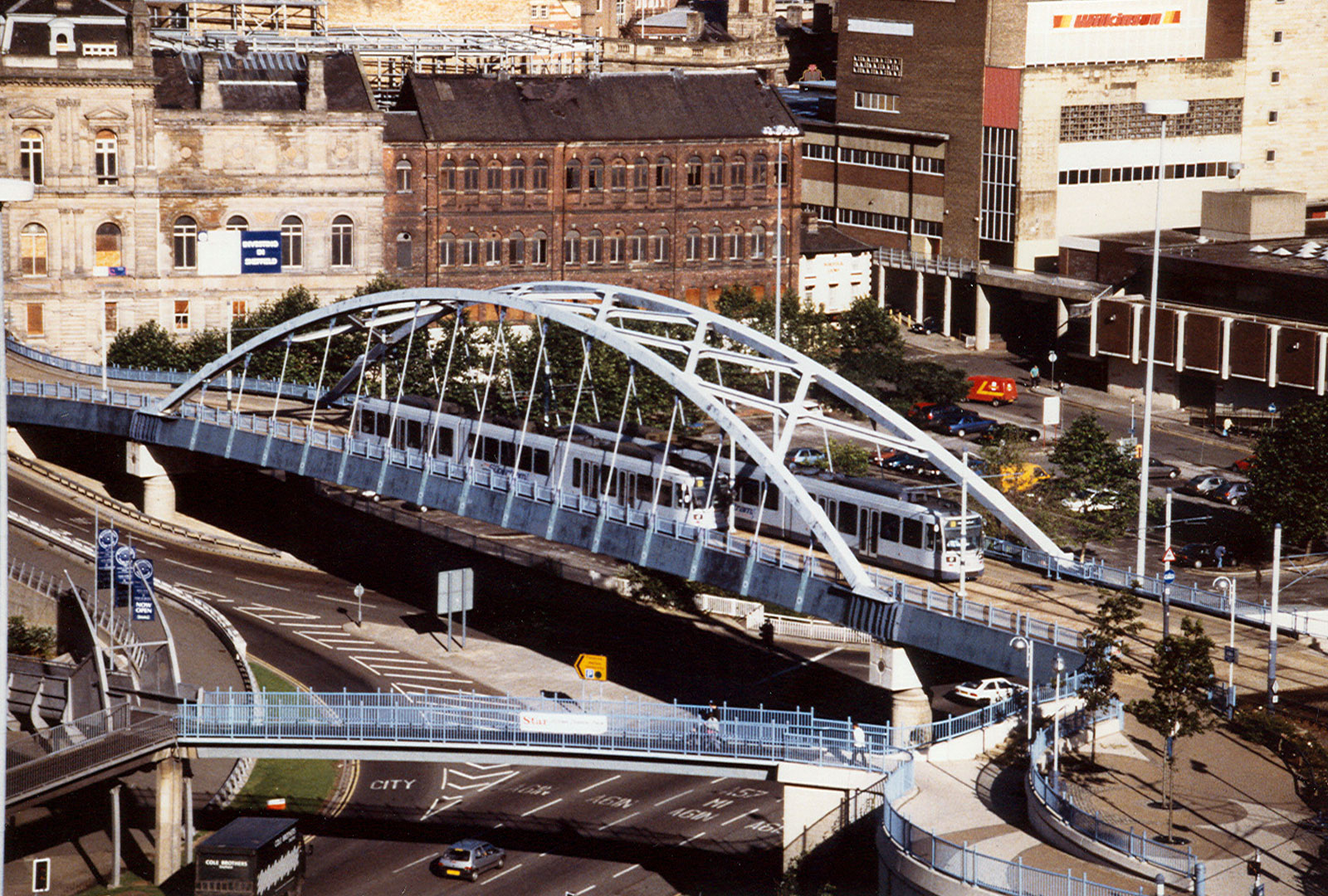
Supertram started carrying passengers in March 1994.
In the early days, numbers were lower than expected. The network was still small and the ticketing system a bit tricky, which made things a little challenging.
“People used to say it would be a white elephant and it would not work. But now if the Supertram was taken away, the public would be outraged.”
1997
Supertram run by private operator
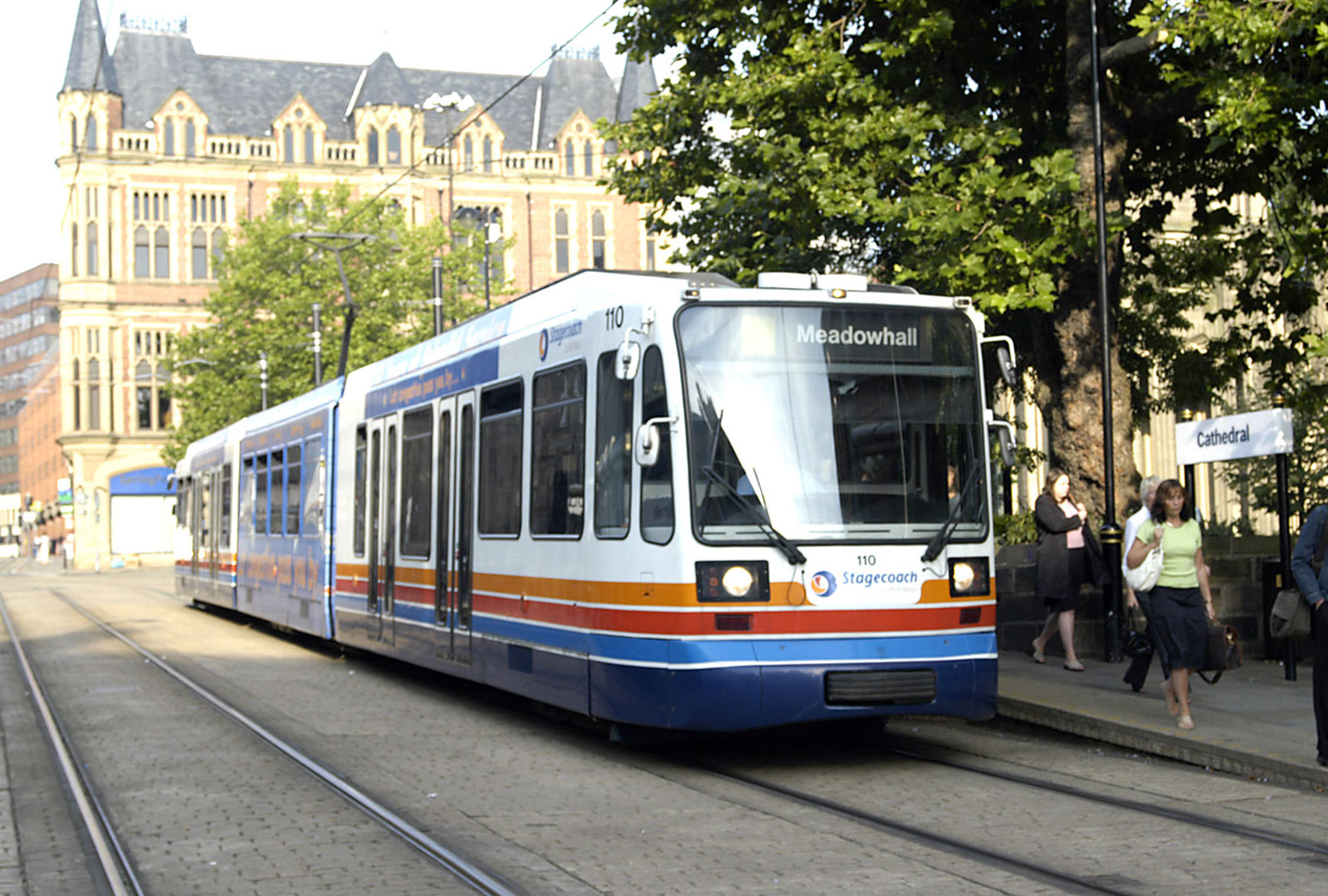
In 1997, Supertram’s operations were run by the private operator Stagecoach, and the aim was to improve how the network ran.
Changes to the way services were run - along with expanding the network - helped passenger numbers grow over time.
SYPTE was dissolved in 2023 and its functions moved to the South Yorkshire Mayoral Combined Authority (SYMCA). In March 2024, SYMCA took back public control of Supertram.
“The introduction of the Supertram has been by far the best success story.”
00s
2006
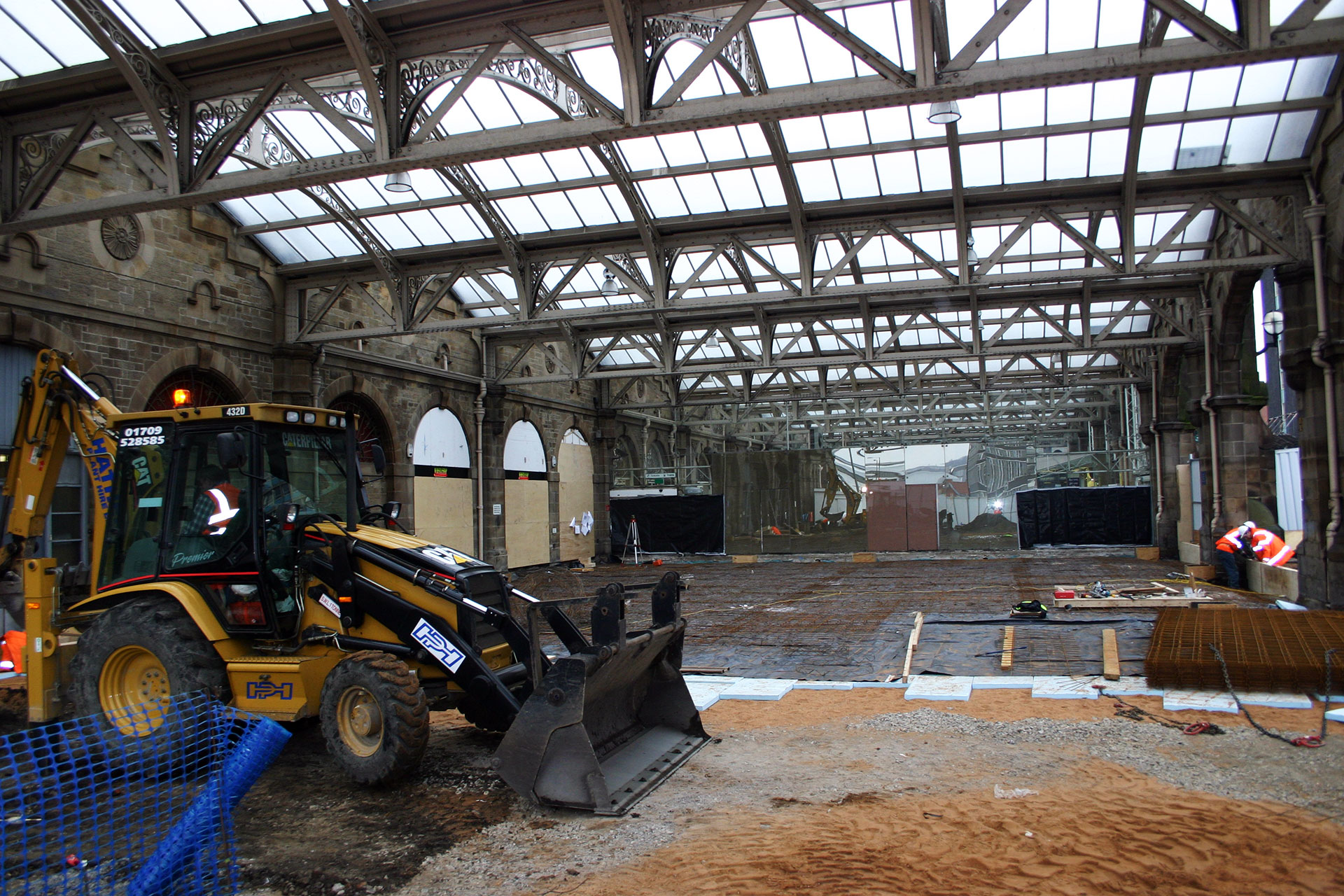
Sheffield Rail Station Refurbishment
A major refurbishment led by SYPTE transformed Sheffield Rail Station and even won Project of the Year at the National Rail Awards in 2006.
Delivered in partnership with Sheffield City Council, Network Rail and other organisations, the three-year project restored the historic Victorian building and made the station more accessible.
The redevelopment was part of the “Gateway to Sheffield” scheme, which also included the reconstruction of Sheaf Square.
Travel South Yorkshire Brand Introduced
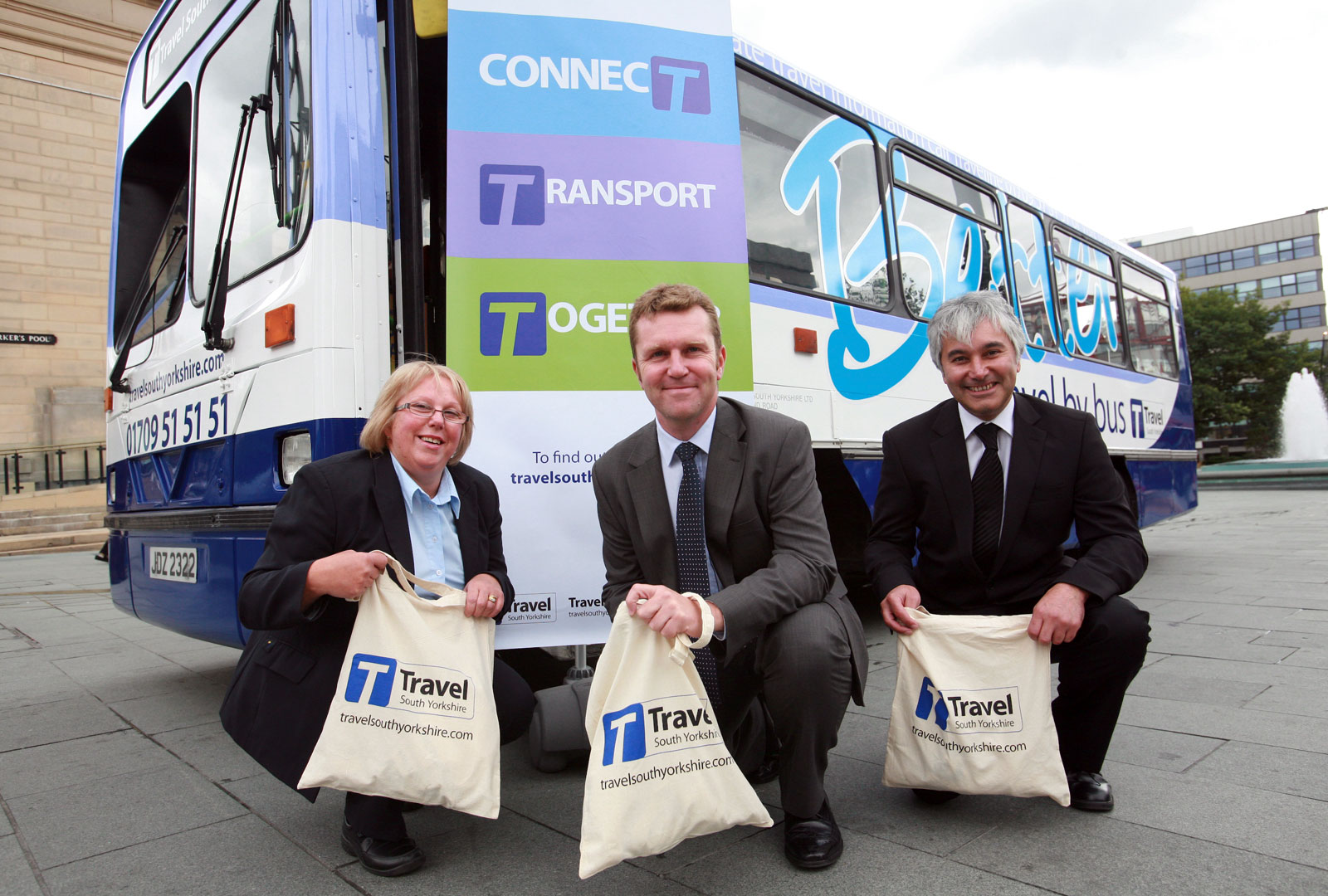
The Travel South Yorkshire (TSY) brand was introduced in 2006 to make public transport information, services and facilities easier to understand.
TSY covers interchanges, Park & Ride sites, ticketing, and travel information across the region.
That same year, the YourNextBus text service launched, giving people real-time updates on bus times.
2007
Barnsley Interchange Reopens
On 20 May 2007, Barnsley welcomed a new bus station and a refurbished railway station after a £24 million redevelopment.
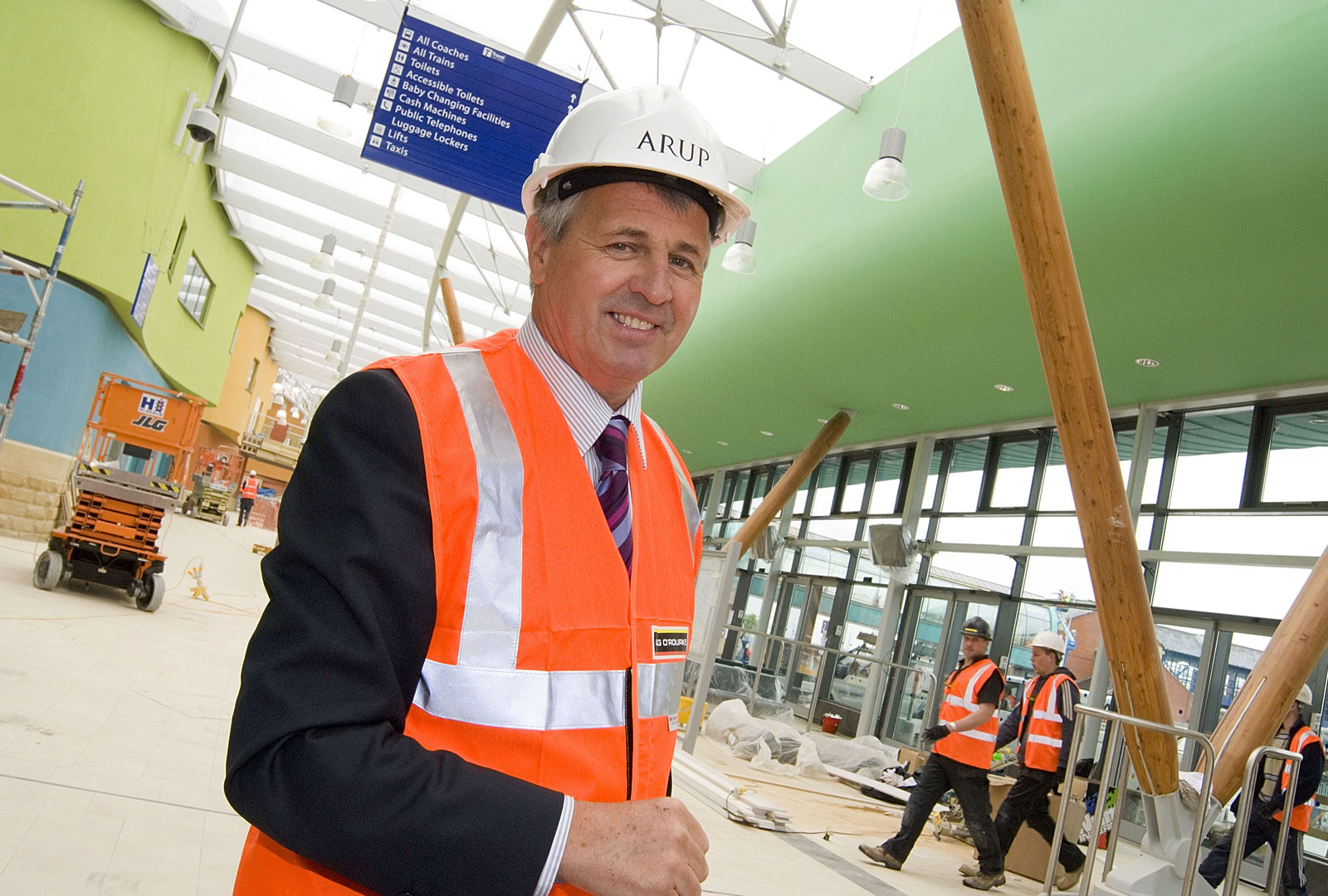
Barnsley Interchange made an appearance in Channel 4’s drama series Utopia, a stylised conspiracy thriller about a group of strangers who uncover a mysterious graphic novel manuscript.
FreeBee City Centre Bus Service
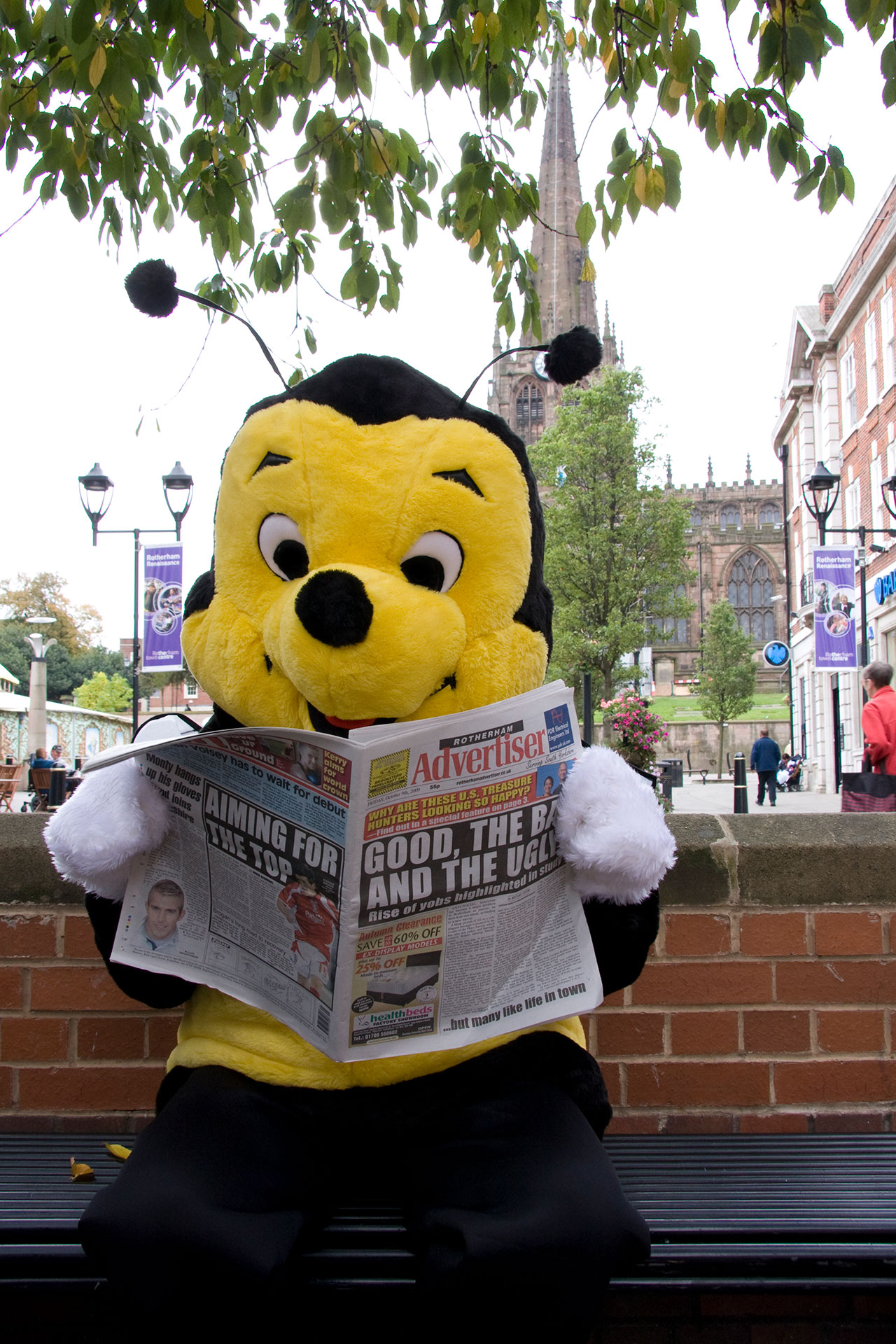
The FreeBee bus service launched in Sheffield in October 2007, linking the rail station, interchange, university and key shopping areas.
It was designed to ease congestion in the city centre and reached 500,000 passenger journeys by 2009.
A successor, Sheffield Connect, launched in 2022 and continues to make getting around the city centre easier.
2008
SYPTE Head Office Relocation
In 2008, SYPTE moved its headquarters from Exchange Street to 11 Broad Street West.
.jpg&w=1536&q=100)
“Moving to an open plan office with air conditioning was definitely an improvement… although not everyone has acclimatised to the draft from the vents.”
Doncaster Quality Bus Corridor
After six years of planning, the A638 Doncaster Bus Corridor was completed.
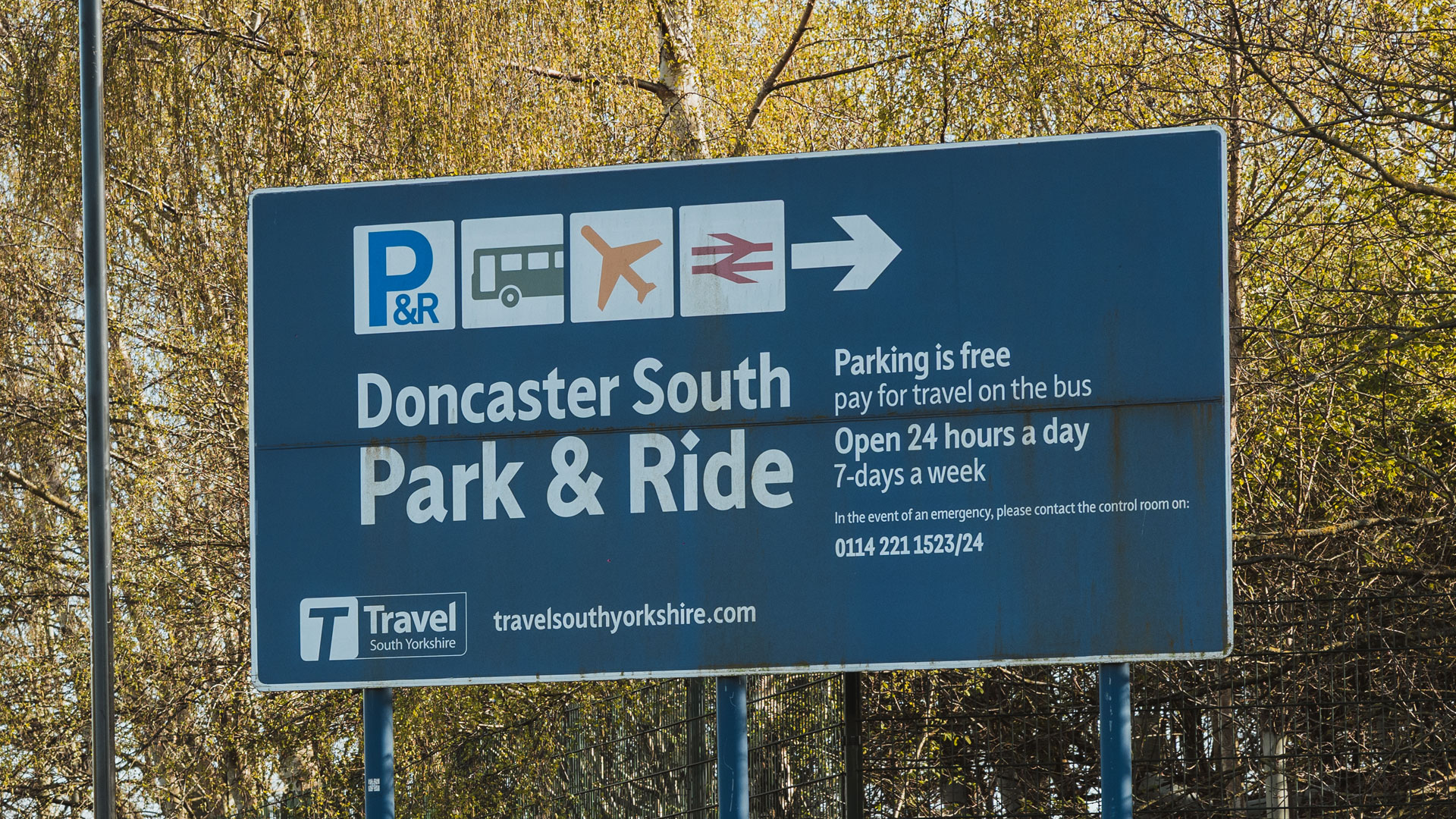
The project created a Quality Bus Corridor connecting the A1 at Junction 38 to Rossington, with Park & Ride sites at both ends. It was delivered through a partnership between Doncaster Council, SYPTE and local bus operators.
10s
2012–2021
Voluntary Bus Partnerships
South Yorkshire’s first Voluntary Bus Partnership (VBP) began in Sheffield in 2012, bringing bus operators, councils and SYPTE around the same table.
The partnership made it easier to coordinate routes, tickets and timetables.
Early results included:
- A 3% rise in fare‑paying passengers in the first 13 weeks
- Fares reduced by up to 23% on new multi‑operator tickets
Similar partnerships soon followed in Rotherham, Barnsley and Doncaster.
In 2021, these arrangements evolved into a Statutory Enhanced Partnership, following national reforms.
.jpg&w=1536&q=100)
2016
Bus Rapid Transit North (Steel Link)
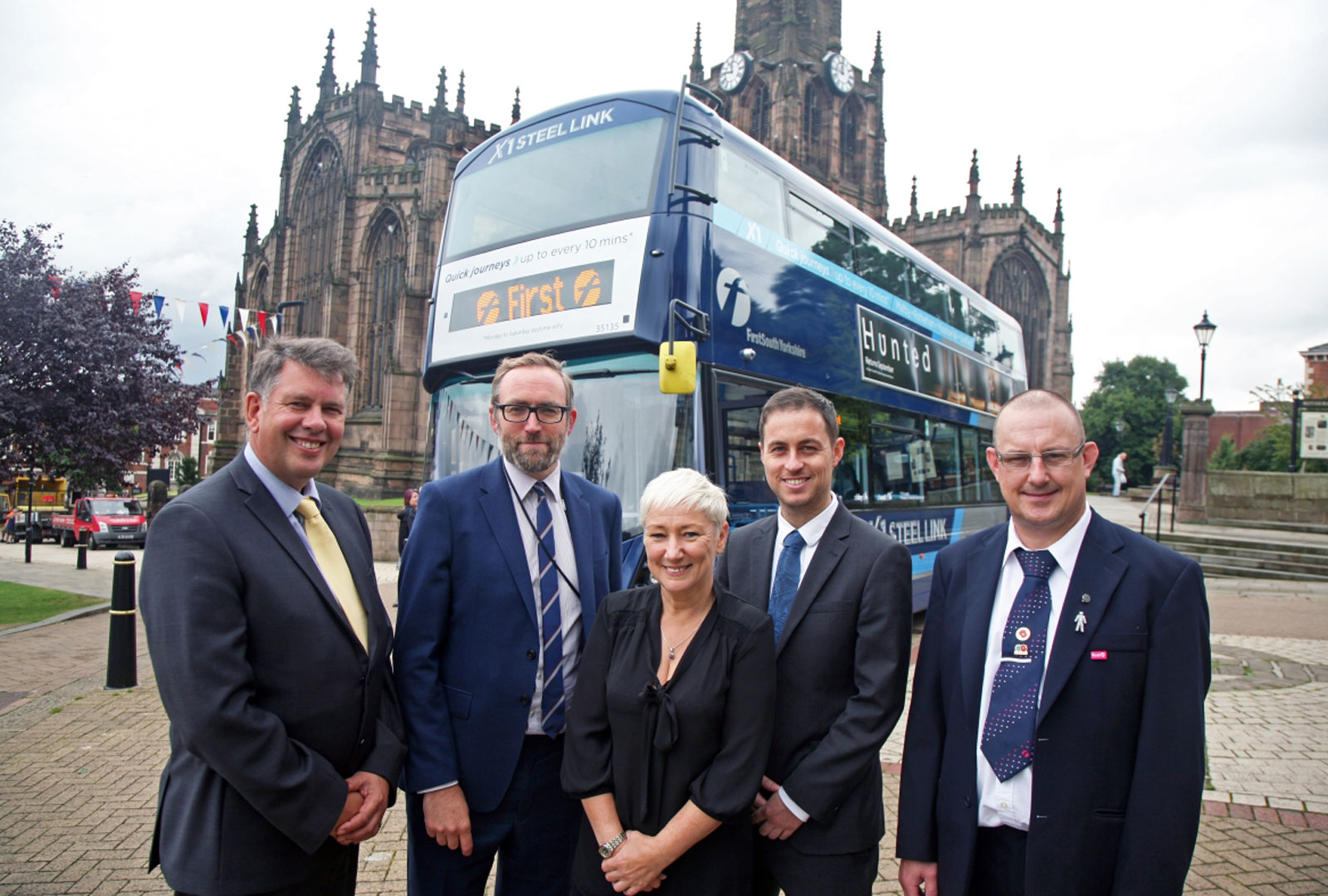
The Bus Rapid Transit (BRT) North scheme launched in 2016.
Its X1 Steel Link route connects Sheffield, Meadowhall and Rotherham, and is operated by First South Yorkshire.
2018
Tram Train Launch
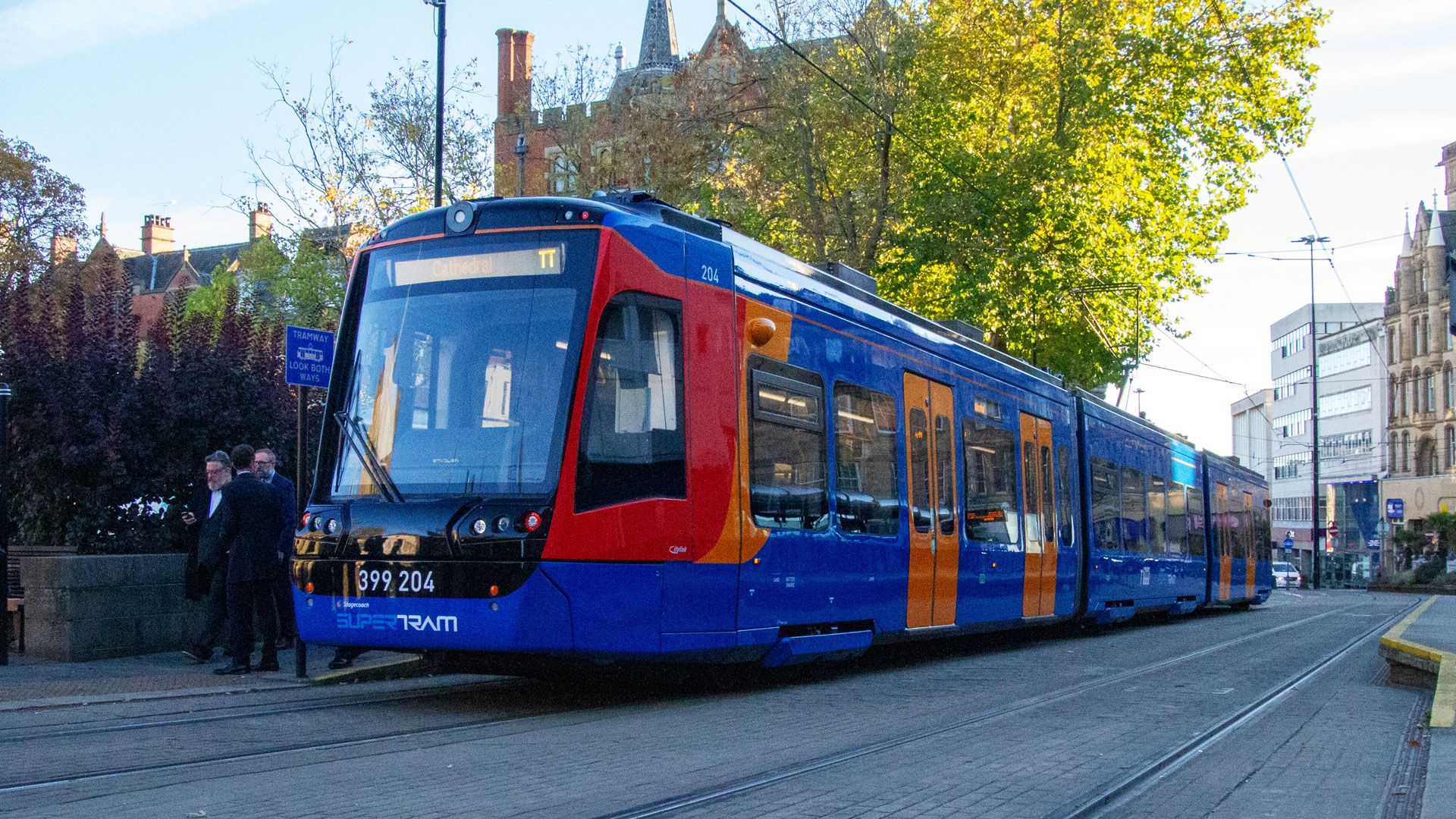
On 25 October 2018, the UK’s first ever Tram Train service launched between Sheffield and Rotherham.
This pioneering project lets vehicles run on both tram tracks and mainline rail, linking Sheffield with Rotherham Central and Parkgate.
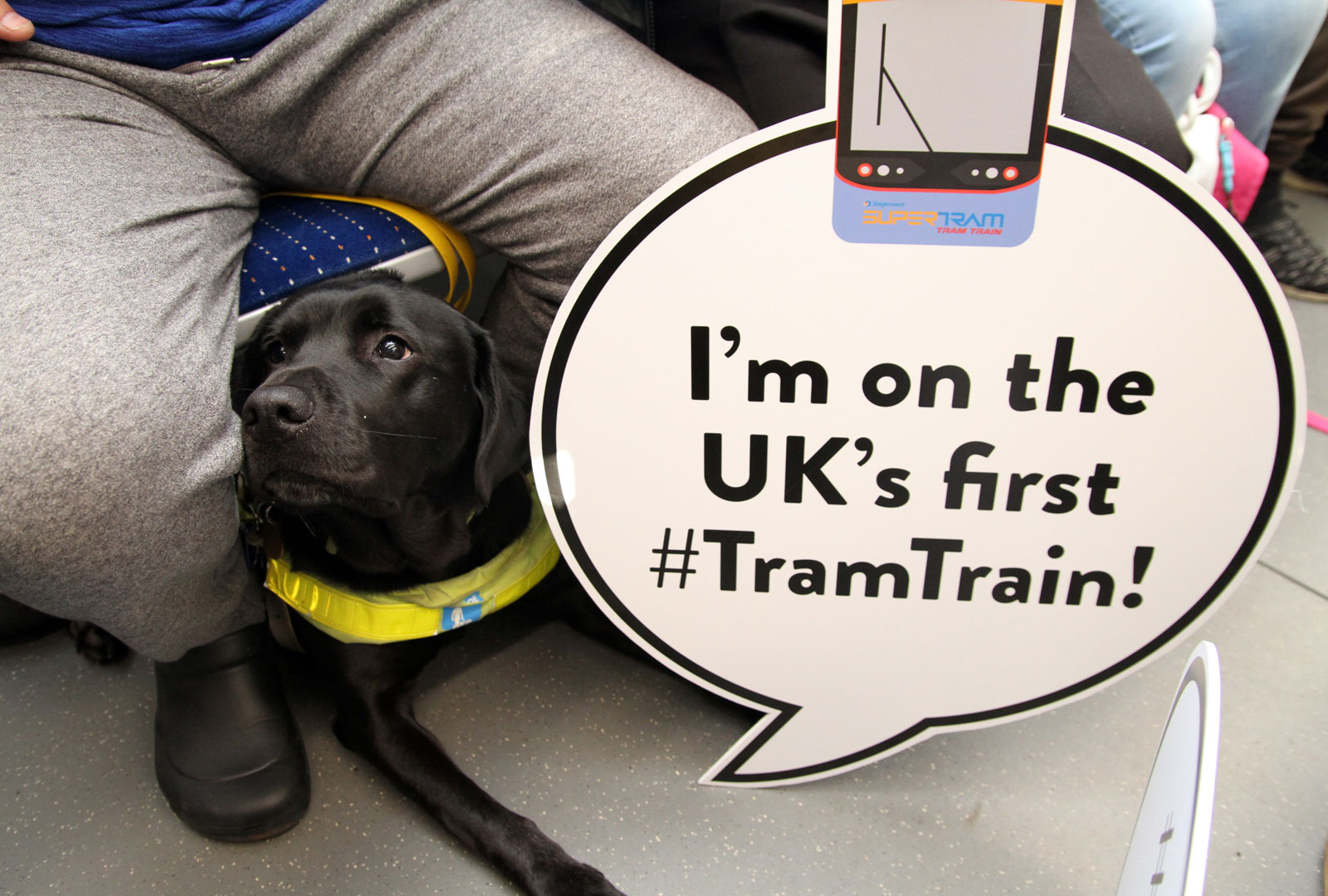
The Tram Train scheme went on to win the Global Light Rail Award 2019 for Team of the Year.
2018–2019
Rotherham Interchange Refurbishment
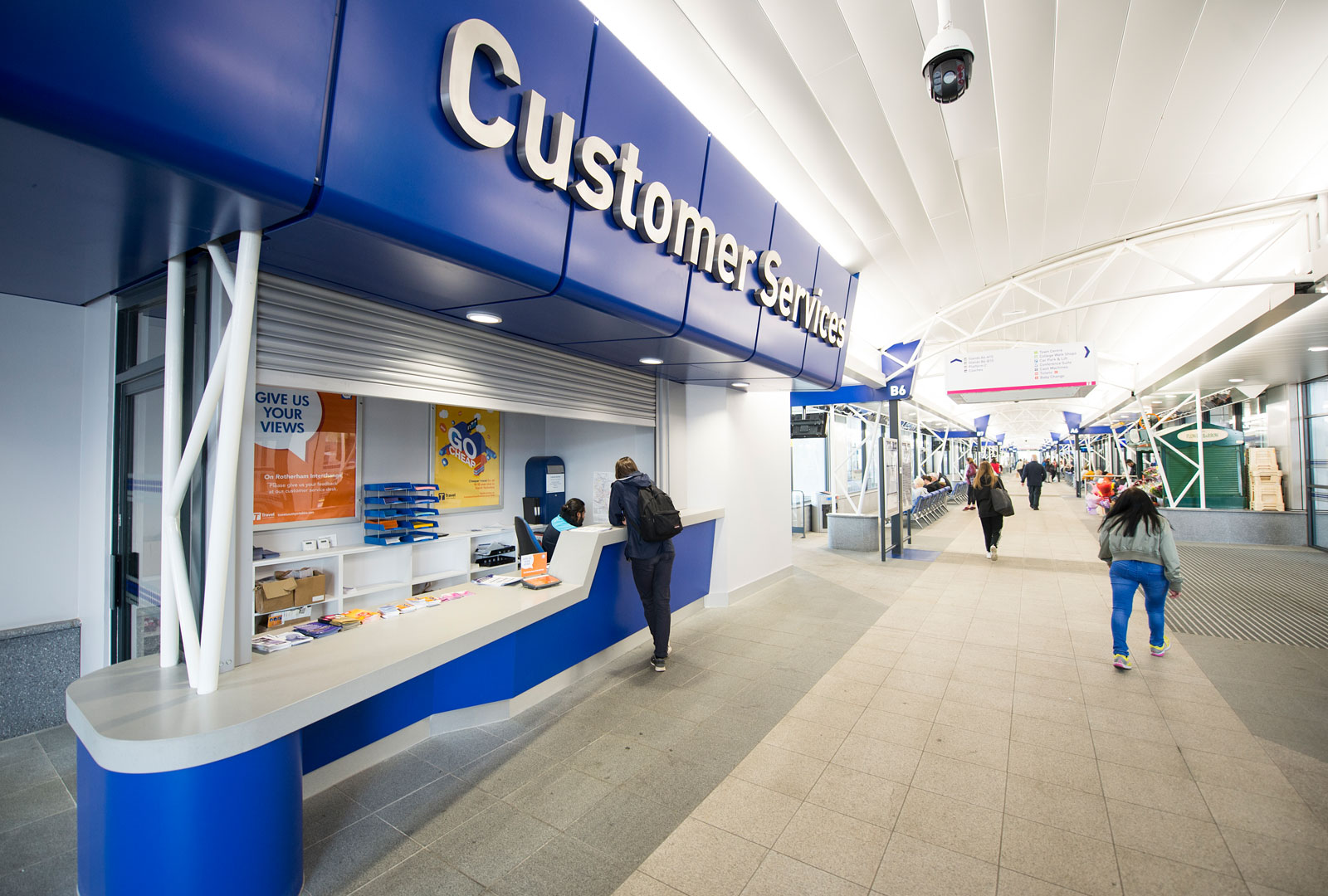
After a major bus fire in 2016, Rotherham Interchange received a £12 million refurbishment between 2018 and 2019.
Upgrades included:
- New passenger facilities
- Better lighting and clearer information displays
- Solar panels and energy efficiency improvements
- Electric vehicle charging points
Following the refurbishment, customer satisfaction rose from 6.7 to 8.3 out of 10.
2019
Customer Charter and Youth Transport Charter
In 2019, a refreshed Customer Charter was introduced, setting out clear service standards and explaining how people can share their feedback.
A Youth Transport Charter was also created with the South Yorkshire Youth Transport User Group, supporting safe and respectful travel for young people.
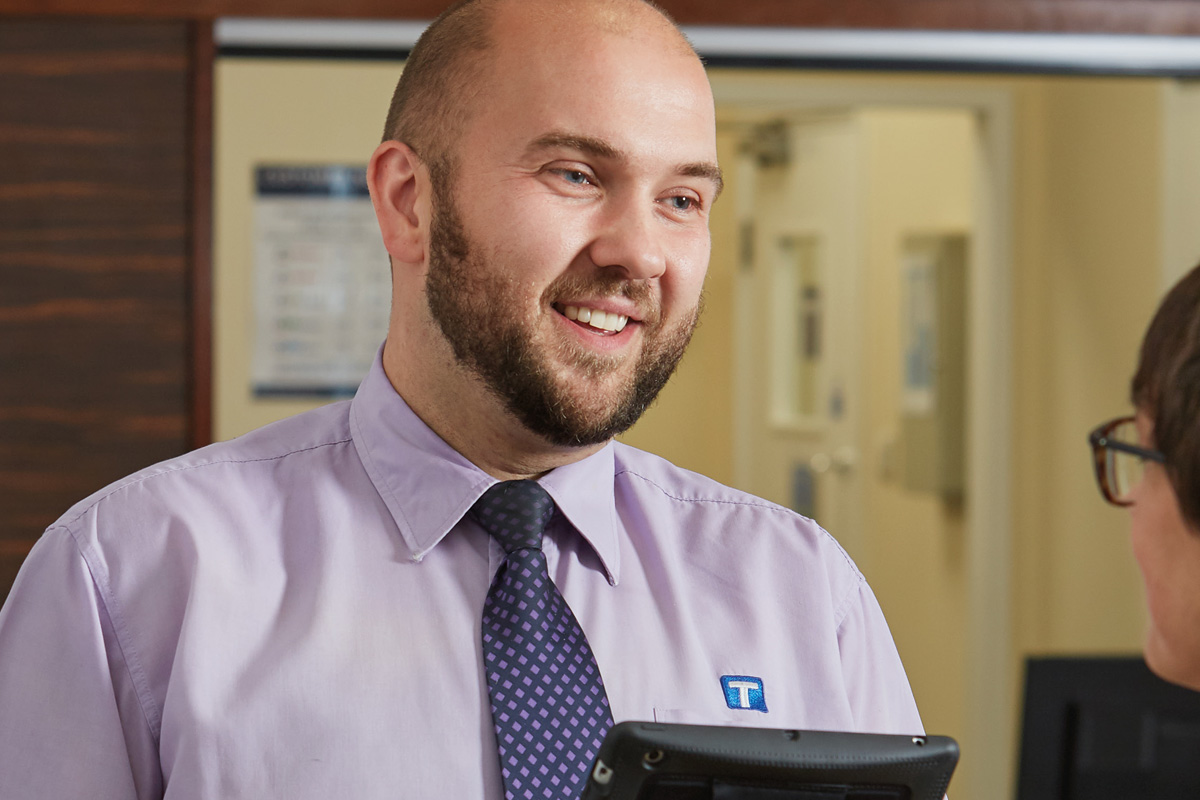
Former Director of Customer Services, Tim Taylor, was named National Youth Voice Champion in 2019.
20s
-1920x1080.jpg&w=1536&q=100)
2020
Public Transport During the Pandemic
The COVID-19 pandemic caused major disruption to public transport across the UK.
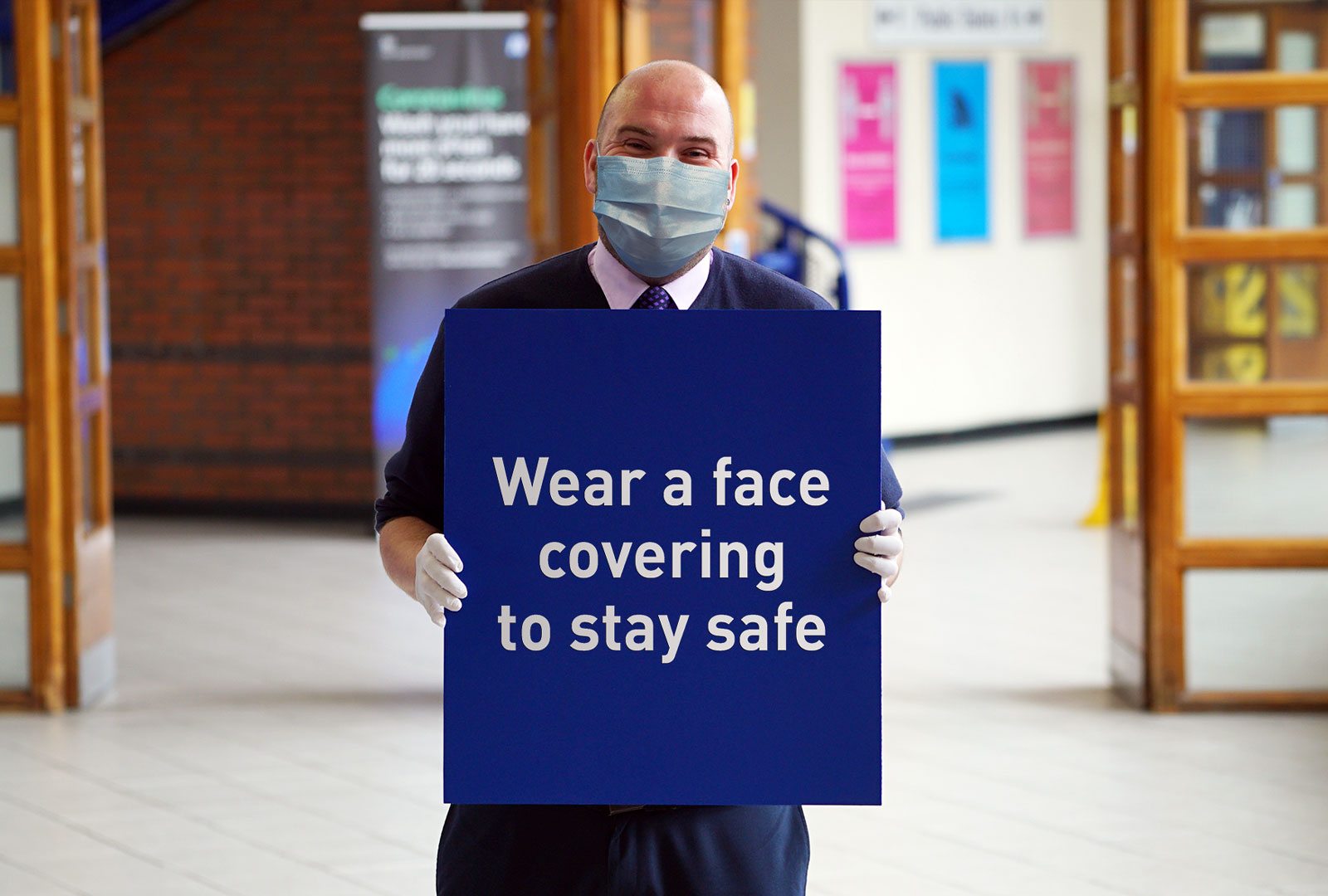
SYPTE kept interchanges open, shared government travel guidance, and supported operators through lockdowns.
Passenger numbers fell sharply, leading to service reductions that are still shaping the network today.
2023
The End of SYPTE
On 1 April 2023, SYPTE was officially dissolved, with its functions and assets moving to the South Yorkshire Mayoral Combined Authority (SYMCA).
The Travel South Yorkshire brand continues to serve as the public-facing face of transport in the region.
.jpg&w=1536&q=100)
2024
Supertram Brought Back Into Public Control
The Supertram network returned to public control on 22 March 2024.
After 27 years of private operation by Stagecoach, control of the network was taken back by the South Yorkshire Mayoral Combined Authority. The service is now run by South Yorkshire Future Trams Limited (SYFTL), an arm's-length company owned by SYMCA.
This change is part of a wider plan to create a fully integrated transport system across South Yorkshire.
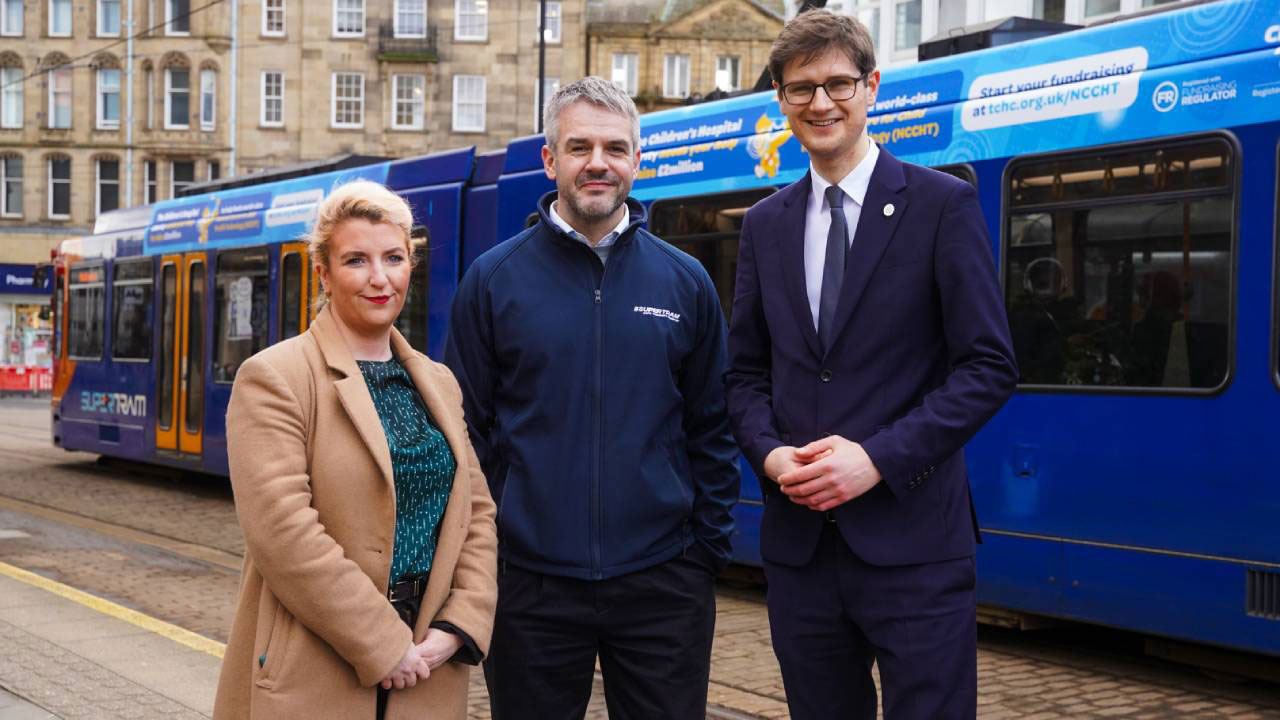
“For thirty years we’ve seen and felt the consequences of our public transport network being run by private operators who have failed to run our buses and trams in the interests of our communities. We are now starting to dismantle that system. Today is a historic day for South Yorkshire; it’s one small step for tram, but it’s the first step in our journey back to a public transport system that puts people first, connecting our communities and helping us to build a bigger and better economy.”
2025
Taking Back Control Of Our Buses
In 2025, almost 9 in 10 people who took part in a public consultation backed plans to change how bus services are managed, agreeing that decisions about buses should be made locally rather than by private operators.
Using this feedback, in March 2025 Mayor Oliver Coppard confirmed his decision to bring buses back under public control.
This means that decisions on bus routes, timetables, tickets, and standards for punctuality, customer service, and safety will all be made locally.
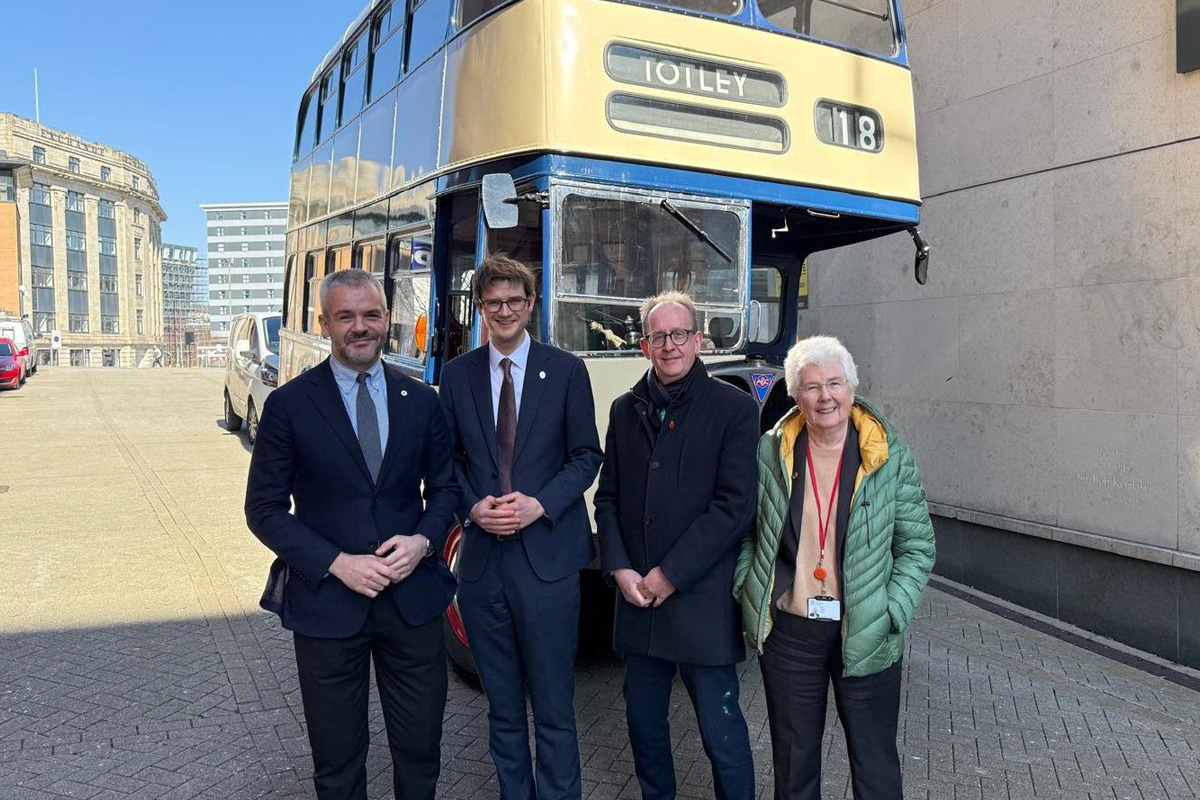
“I want us to build a bigger and better economy in South Yorkshire and we need a public transport system that allows people to get to where they want to go, when they want to go there."
Doncaster Sheffield Airport
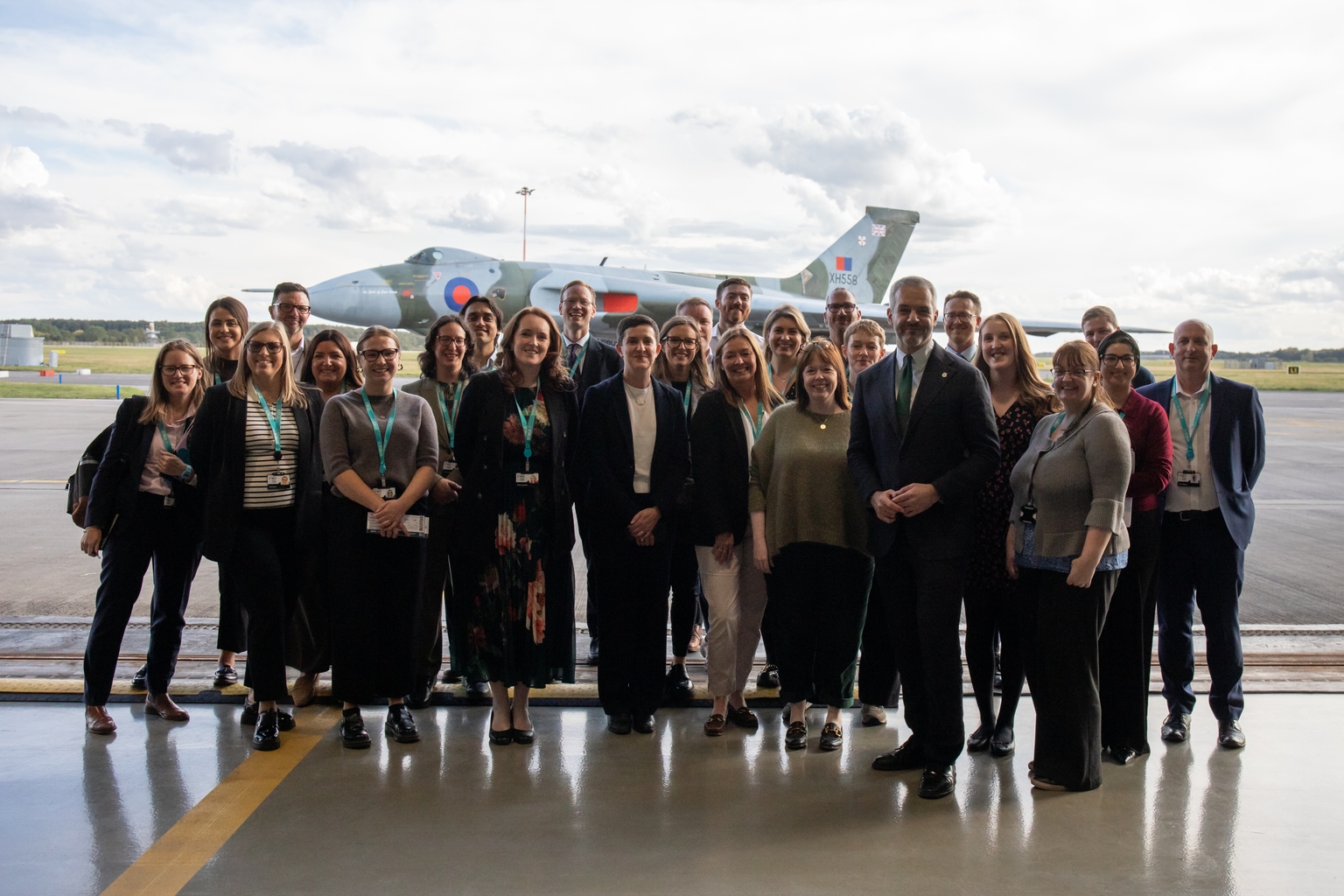
South Yorkshire’s Mayor, Oliver Coppard, and local Council Leaders made a historic decision to reopen Doncaster Sheffield Airport, approving a £160 million (£159.52 million) funding package to bring commercial flights back to the region.
The decision was made at a meeting of the South Yorkshire Mayoral Combined Authority Board on Tuesday 9 September at Doncaster Sheffield Airport. All five board members voted unanimously in favour, clearing the way for the airport to reopen.
2026
South Yorkshire’s Transport Vision
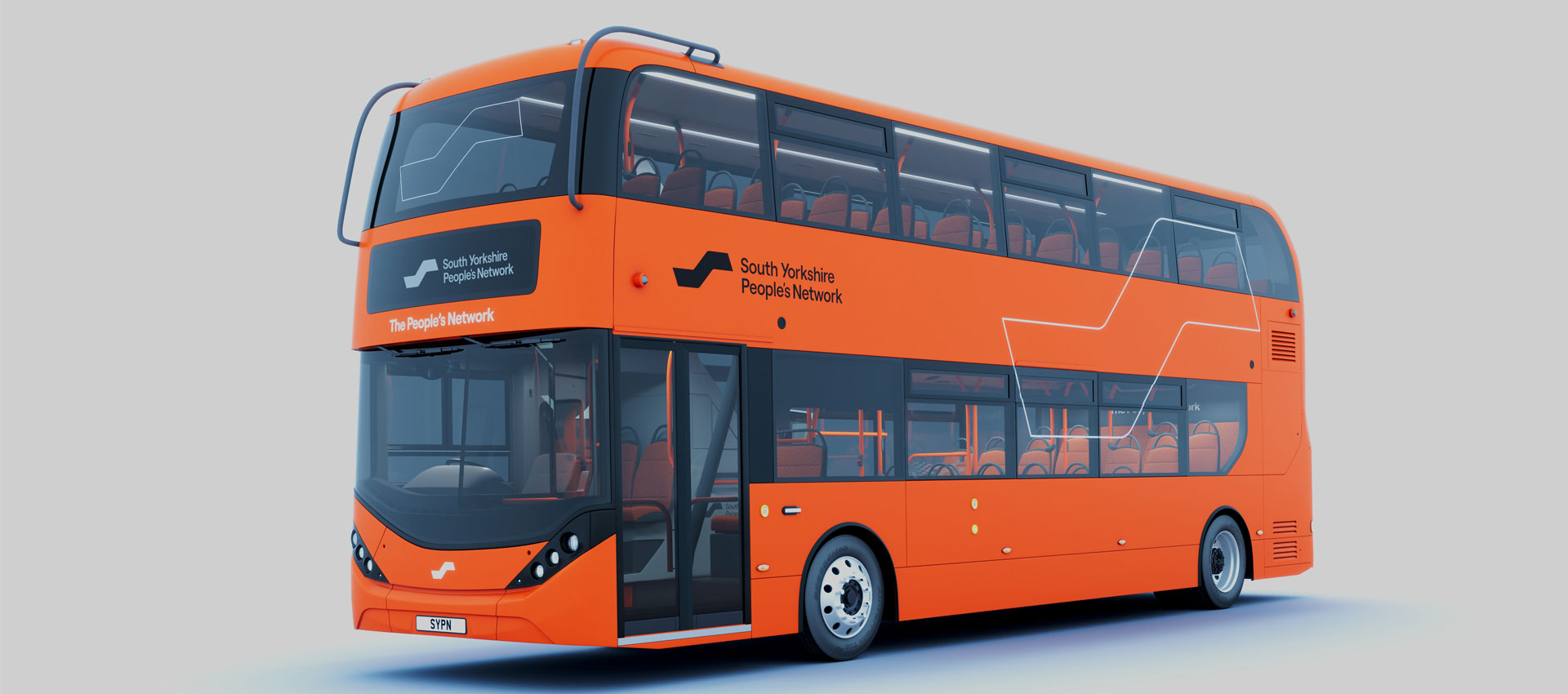
The Mayor’s Vision for Transport is announced alongside the new integrated transport brand; South Yorkshire People’s Network. The transport vision lays out the Mayor’s big ambitions for every part of the South Yorkshire transport network and shows how all the services will work together over time. In the months and years ahead, a joined-up, sustainable system will be delivered that links every corner of the region and helps people feel connected to it, both physically and emotionally.
“Transport isn’t just about getting from A-B. A proper public transport network gives people real freedom and choice about how they travel and move, connects people to opportunity and opens up new horizons. But public transport in South Yorkshire has been broken for too long. I promised to make change happen, to give South Yorkshire back the world class public transport system we once had, and that’s exactly what we’re doing. That’s why we’re putting in a huge investment to fix our public transport system, backed by even greater ambition, so that we can build something that truly works for all of us across South Yorkshire; a real People’s Network.”
2026-2040
What's Next For South Yorkshire
From this year, people will start to see the new brand rolled out on our bus stops, shelters and interchanges, frontline tram staff uniforms and a new South Yorkshire People’s Network website, replacing Travel South Yorkshire.
From next year, the brand will start rolling out on the buses SYMCA control and on bus driver uniforms, trams, tram stops and shelters, the South Yorkshire-wide E-bike subscription programme and Sheffield city centre bike hire scheme.
In the next five years, people will see the brand on 25 new trams and on our wayfinding.
“The Vision for the South Yorkshire People’s Network sets a clear foundation for how transport will enable our inclusive and sustainable growth ambitions, strengthening connections, improving our environment, and ensuring that everyone has access to opportunity.”